
How Your Diet Shapes Your Sleep Quality
Discover the science-backed connection between nutrition and restorative sleep. Explore practical insights from Feelgoodplate's editorial research into food choices that support better rest.
Key Features of Sleep-Supporting Nutrition
Learn what makes certain foods champions of restful sleep
Melatonin-Rich Foods
Foods naturally high in melatonin signal your body to prepare for sleep. Cherries, kiwis, tomatoes, and certain nuts contain this sleep hormone, helping regulate your circadian rhythm and improving sleep onset.
Magnesium for Relaxation
Magnesium supports muscle relaxation and nervous system calm. Leafy greens, seeds, legumes, and whole grains are excellent sources that naturally lower stress hormones and ease you into deeper sleep cycles.
Tryptophan & Serotonin
Amino acid tryptophan is the precursor to serotonin, your mood-regulating neurotransmitter. Turkey, chicken, eggs, cheese, and beans help your brain manufacture this essential sleep-promoting chemical naturally.
Hydration & Sleep Balance
Proper water intake supports deep sleep without nighttime disruption. Timing is key—hydrating throughout the day but reducing intake 2-3 hours before bed helps you sleep through the night undisturbed.
Blood Sugar Stability
Balanced blood sugar prevents sleep disruption from energy crashes. Whole grains, lean proteins, and healthy fats create steady glucose levels throughout the night, supporting uninterrupted rest.
Timing & Digestion
When you eat matters as much as what you eat. Light meals 2-3 hours before bed prevent digestive discomfort, while heavy foods and caffeine can sabotage sleep quality even if they contain "sleep-friendly" nutrients.
Foods That Enhance Sleep Quality
Certain foods are nutritional superstars when it comes to promoting better sleep. By understanding which ingredients work synergistically with your body's natural sleep mechanisms, you can make informed choices that transform your evenings.
Tart Cherry Juice
Contains natural melatonin and anthocyanins that regulate sleep-wake cycles and reduce inflammation for deeper rest.
Greek Yogurt with Almonds
Combines protein and magnesium—a powerful duo that stabilises blood sugar and relaxes muscles for quality sleep.
Whole Grain Toast with Honey
The carbohydrate-to-protein ratio helps tryptophan reach your brain, while honey provides glucose for sustained sleep.
Spinach & Pumpkin Seeds
Rich in magnesium, zinc, and iron—minerals that reduce anxiety and support the production of sleep-promoting serotonin.
Chamomile Tea
Contains apigenin, a compound that binds to brain receptors promoting calmness and reducing the time to fall asleep.

Your 30-Day Sleep Improvement Journey
A practical framework for transforming your sleep through dietary awareness
Week 1: Awareness
- Track current sleep patterns and evening meals for 7 days
- Identify foods that disrupt your sleep (caffeine, heavy meals, sugar)
- Note sleep quality on a simple 1-10 scale each morning
- Read articles on sleep-nutrition connection to build knowledge
Weeks 2-3: Introduction
- Add magnesium-rich foods: leafy greens, nuts, seeds
- Introduce melatonin-containing foods like kiwis and cherries
- Establish a consistent dinner time 3 hours before bed
- Replace evening coffee with herbal teas like chamomile
Week 4: Optimise
- Fine-tune meal timing based on your personal response
- Create your personalised sleep-friendly evening routine
- Review progress—compare week 1 sleep to week 4 quality
- Sustain changes as long-term lifestyle habits
Remember: Sleep improvement is individual. What works brilliantly for one person may need adjustment for another. Our articles and FAQs explore the science behind these changes, helping you understand your body's unique responses to dietary choices.
Sleep-Supportive Foods Gallery
Visual inspiration for bedtime meals and evening snacks

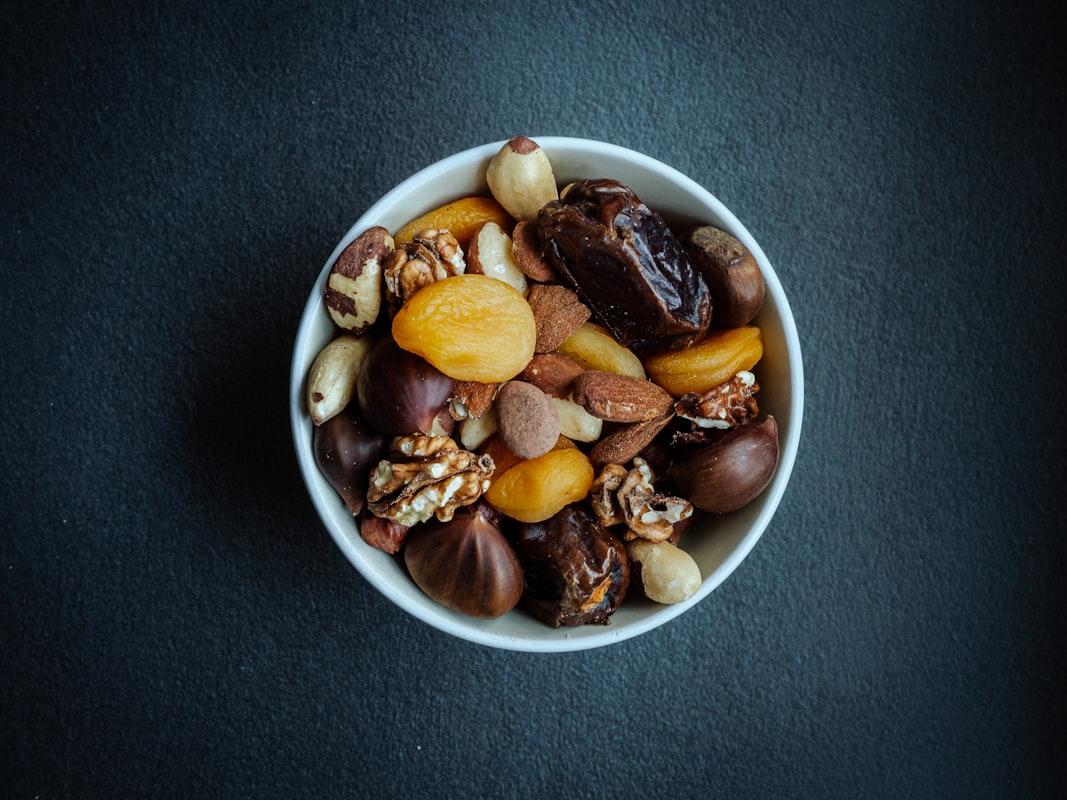
Nut & Seed Medley
Rich in magnesium and tryptophan for deep, restful sleep
Creamy Yogurt Bowl
Protein and probiotics support sleep and digestive health

Cherry Elixir
Natural melatonin helps regulate your sleep-wake cycle

Wholesome Toast
Balanced carbs and healthy fats for stable energy through the night

Calming Herbal Brew
Apigenin compounds naturally reduce anxiety and ease sleep onset

Green Mineral Power
Magnesium and zinc ease muscle tension for deeper rest
Explore detailed recipes and meal timing guidance in our food guide
View Full Food GuideFrequently Asked Questions
Common questions about diet and sleep quality
Most people notice subtle improvements within 3-5 days of consistent dietary changes—such as falling asleep slightly faster or fewer night awakenings. More significant shifts in sleep depth and morning alertness typically emerge over 2-3 weeks as your body adjusts to new eating patterns and nutrient levels stabilise. Individual responses vary based on metabolism, existing nutrient levels, stress, and activity. Tracking your changes in a simple sleep journal helps you notice patterns that may not be obvious day-to-day.
Many common medications—including some blood pressure drugs, antihistamines, and stimulant-based treatments—can significantly disrupt sleep patterns. Our guides help you understand which medications might affect your rest and suggest timing strategies to minimize sleep interference. Always consult your healthcare provider before making changes, but being informed about potential side effects empowers you to have better conversations with your doctor about finding solutions that protect both your health and your sleep quality.
What Our Readers Say
Real stories from people who've transformed their sleep and overall wellness.
"I've struggled with insomnia for years. The articles on Feelgoodplate about sleep hygiene and natural remedies actually helped me understand what was wrong. I'm sleeping 7 hours consistently now!"
James M.
Portland, OR
"As a nurse working irregular shifts, sleep felt impossible. Feelgoodplate's guides on managing shift work sleep and nutrition timing have been game-changers. I finally feel rested!"
Sarah R.
Boston, MA
"I love how Feelgoodplate combines sleep science with practical meal ideas. The connection between nutrition and sleep quality opened my eyes. My whole family is sleeping better now!"
Lisa C.
Denver, CO